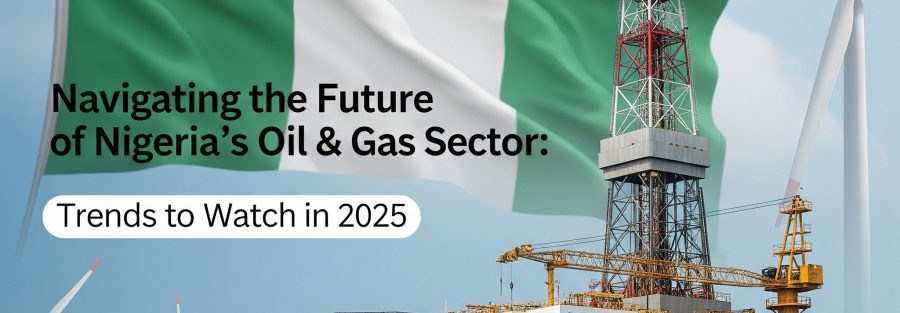
Navigating the Future of Nigeria’s Oil & Gas Sector: Trends to Watch in 2025
Introduction
The global energy landscape is undergoing rapid transformation, and Nigeria’s oil and gas sector is no exception. As the country continues to adapt to the demands of a changing world—one that emphasizes sustainability, local participation, and innovation—industry players must be proactive, strategic, and forward-thinking.
At Batcch Global Energy Resources Ltd, we are committed to staying ahead of the curve. In this post, we explore five key trends that are expected to shape Nigeria’s oil and gas sector throughout 2025 and how companies like ours are aligning operations to meet these new realities.
1. Deepening Local Content Development
The Nigerian Content Development and Monitoring Board (NCDMB) has continued to champion policies that promote indigenous participation in the oil and gas value chain. In 2025, we expect stronger enforcement of local content regulations—driving demand for Nigerian expertise, materials, and technology.
At Batcch Global, we view this not as a compliance obligation but as a competitive advantage. We actively invest in local talent development, vendor partnerships, and community engagement to create sustainable growth within Nigeria.
2. Accelerated Energy Transition and Decarbonization
As global pressure mounts for reduced carbon emissions, oil and gas companies in Nigeria are being called upon to adopt greener, cleaner practices. This includes implementing technologies that reduce methane leaks, lower flare gas emissions, and improve energy efficiency across operations.
Our teams are working towards embedding sustainability and innovation into every project—whether it’s through environmental planning, efficient resource use, or exploring future opportunities in renewable energy integration.
3. Regulatory Reforms and Industry Restructuring
The implementation of the Petroleum Industry Act (PIA) continues to reshape the operational and fiscal environment in Nigeria’s upstream, midstream, and downstream sectors. Regulatory bodies are now more focused on transparency, host community development, and environmental stewardship.
Batcch Global has adapted by building strong internal compliance mechanisms that ensure we stay ahead of policy shifts, reporting obligations, and stakeholder expectations.
4. Technological Innovation and Digital Oilfields
Digital transformation is redefining how oil and gas companies operate. From remote monitoring to AI-driven asset management and predictive maintenance, technology adoption is now a strategic necessity.
In 2025, Batcch Global is increasing investment in smart field technologies, real-time data analytics, and automation to improve operational visibility, reduce downtime, and drive smarter decision-making across our projects.
5. Strategic Partnerships and Regional Collaboration
West Africa is increasingly becoming a hub for regional energy cooperation, with cross-border pipeline projects, gas monetization ventures, and transnational infrastructure gaining traction.
Batcch Global is exploring strategic partnerships that enable us to leverage complementary capabilities, expand our service footprint, and co-create value with stakeholders across the continent.
Conclusion
The future of Nigeria’s oil and gas sector is filled with challenges—but also incredible opportunities. By embracing innovation, championing local participation, and committing to sustainable practices, Batcch Global is positioned to lead in this evolving landscape.
We’re not just reacting to change—we’re helping to define what comes next.
At Batcch Global, we believe the future belongs to those who adapt boldly, act responsibly, and innovate consistently.